
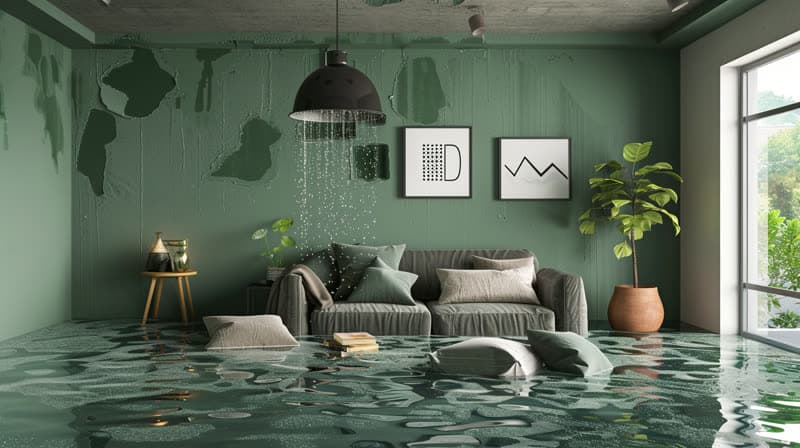

Repairing Your Property from Burst Pipes with Peace of Mind
Dealing with burst pipes can be a stressful experience, often leading to significant property damage. Home Claims Assist specialises in managing insurance claims related to burst pipes, offering support and expertise to navigate the complexities of these situations. Our team works diligently to assess the damage, communicate with insurers, and secure the best possible settlement for our clients affected by burst pipe incidents.
24/7 Support
Call Us Anytime
Expert Guidance
Years Of Experience
Peace of Mind
We'll Handle Your Claim
Satisfaction Guaranteed
Read Our Reviews


What to Do When a Pipe Bursts
A burst pipe can cause significant damage in a very short time. Acting quickly reduces the extent of the damage and strengthens your insurance claim.
Turn off the water supply
Locate your stopcock (usually under the kitchen sink or near the front door) and turn it off immediately to stop more water entering the system.
Switch off the electrics
If water is near electrical outlets, appliances, or your consumer unit, switch off the electricity at the mains. Do not touch wet electrical fittings.
Contain the water
Use buckets, towels, and containers to collect water where possible. Move furniture, electronics, and valuables away from the affected area.
Open windows and doors
Ventilation helps begin the drying process early. If safe, open windows in affected rooms to encourage airflow and reduce moisture levels.
Document the damage
Take photographs and video of all affected areas before any clean-up or temporary repairs. This evidence is essential for your insurance claim.
Contact your insurer and call us
Report the escape of water to your insurer, then contact Home Claims Assist. We will guide you through the next steps and begin managing your claim.
What Does an Escape of Water Claim Cover?
Most home insurance policies cover the damage resulting from a burst pipe or escape of water. We make sure your claim captures every eligible cost.
Structural Drying
Professional drying using industrial dehumidifiers and monitoring equipment, often lasting several weeks depending on the severity of water penetration.
Walls, Floors & Ceilings
Stripping out and replacing water-damaged plasterboard, skirting boards, flooring, and ceiling plaster. Some areas may need complete reconstruction.
Contents Damage
Furniture, carpets, rugs, electronics, clothing, and personal items damaged by water. Each item is documented and valued as part of your claim.
Kitchen & Bathroom Refitting
Where water damage has affected fitted kitchens or bathrooms, the cost of stripping out and refitting can be covered under your buildings insurance.
Electrics & Heating
Rewiring where water has reached electrical circuits, plus boiler or heating system repairs if the escape of water has affected your plumbing infrastructure.
Decoration & Finishing
Full redecoration of all affected rooms to restore your property to its pre-loss condition, including painting, wallpapering, and floor coverings.
Emergency Plumbing
While the pipe repair itself may not always be covered, the resulting damage to your property is. We ensure the claim captures every eligible cost.
Alternative Accommodation
If the property is uninhabitable during the drying and repair process, your policy should cover temporary housing for you and your family.
The Hidden Damage Behind the Walls
What you can see on the surface is rarely the full extent of the damage. Water from a burst pipe often travels far beyond the visible leak, causing problems that only become apparent during the drying process.
Water behind walls
Water travels through cavities and can saturate insulation, timber frames, and plasterboard on the opposite side of the wall from the original leak.
Damaged sub-floor
Water beneath laminate, vinyl, or tiled flooring can go undetected for days, causing chipboard or timber to swell, warp, and develop mould.
Ceiling voids
An upstairs burst pipe often sends water into ceiling voids, saturating joists and insulation. The visible ceiling stain is rarely the full picture.
Electrical hazards
Water reaching wiring within walls can create hidden safety risks. A professional electrical inspection is often necessary after a significant escape of water.
Mould development
Without proper drying, mould can develop within 24-48 hours in damp conditions. It often grows unseen behind walls and under floors.
Our Approach to Burst Pipe Claims
Escape of water is one of the most common types of home insurance claim — and one of the most frequently undervalued. We ensure your claim reflects the full extent of the damage.
- Professional moisture mapping to identify all affected areas
- Full scope of works prepared with independent contractor estimates
- Detailed contents inventory with replacement valuations
- Coordination of specialist drying and restoration contractors
- All negotiations handled directly with your insurer
- Regular updates throughout the entire claims process
How Long Does a Burst Pipe Claim Take?
The drying process alone can take several weeks. Full reinstatement depends on the extent of the damage.
We manage the timeline proactively — coordinating drying companies, contractors, and your insurer to minimise delays and get your property restored as efficiently as possible.
Escape of Water Claims: Who We Help
Burst pipe and escape of water claims are the most common property insurance claim in the UK. We handle these claims for homeowners dealing with water damage to their own property, landlords managing damage to rental properties and recovering lost rental income, and business owners facing disruption from water damage to commercial premises.
Water damage from a burst pipe can be just as severe as flood damage — saturated floors, collapsed ceilings, and contamination if the leak originates from waste pipes. The key difference is that escape of water claims are covered under standard buildings insurance, while flood damage may require separate flood cover.
For a full explanation of how we manage your claim from first contact to final settlement, visit our claims process page. If you are unsure about the role of the loss adjuster your insurer has sent, our loss assessor vs loss adjuster guide explains the difference.
Dealing with burst pipe damage?
Escape of water claims can be complex. Our specialist team will assess all damage — visible and hidden — and negotiate the best possible settlement on your behalf.
Frequently Asked Questions
Turn off the water supply at the stopcock immediately to prevent further damage. If water is near electrical outlets or appliances, switch off the electricity at the consumer unit. Collect water with buckets or towels where possible. Contact your insurer to report the incident and instruct Home Claims Assist to manage your claim.
Yes. Most home insurance policies cover damage caused by burst pipes and escape of water, including damage to walls, floors, ceilings, and contents. The policy typically covers the resulting damage rather than the cost of repairing the pipe itself. We ensure all eligible damage is captured in your claim.
Absolutely. Water from burst pipes often travels through wall cavities, under floors, and into ceiling voids, causing extensive hidden damage. This can include saturated insulation, warped timbers, damaged wiring, and mould growth. Our thorough assessment process identifies all damage, not just what's visible on the surface.
Repair timelines vary depending on the extent of the water damage. Minor leaks may require days of drying and localised repairs, while a major burst pipe affecting multiple rooms can take weeks or months to fully dry, strip out, and reinstate. We manage the entire process to minimise delays.
Yes. Professional drying is a standard part of most escape of water claims. Industrial dehumidifiers and drying equipment are typically covered by your policy. We arrange professional drying services and ensure these costs are included in your claim.
Damage caused by frozen pipes that subsequently burst is generally covered by home insurance. However, some policies require that you've taken reasonable precautions, such as maintaining adequate heating during cold spells. We review your policy and circumstances to build the strongest possible claim.