
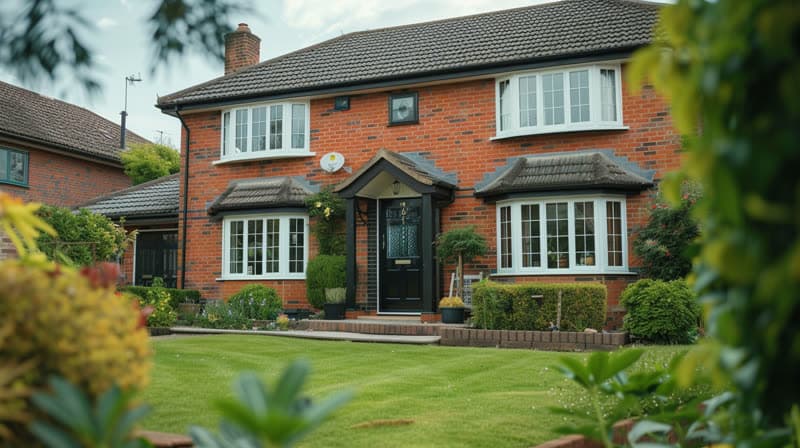
When a fire, flood or burst pipe makes your home impossible to live in, the first question is not usually about the claim. It is where everyone is going to sleep tonight.
Most buildings policies have an answer to that, usually called alternative accommodation. It is one of the most useful parts of a home insurance policy and one of the least understood. This guide explains when it applies, what it usually covers, and what tends to cause arguments. Every policy is different, so treat this as a guide and check your own wording.
What alternative accommodation cover is
Alternative accommodation cover pays towards the cost of living somewhere else while your home is unfit to live in because of damage the policy covers. That last part matters: the cover generally depends on the underlying claim being accepted. If the insurer turns down the damage claim, the accommodation usually falls with it, at least until that decision is overturned.
It can start with a hotel for a few nights. On a longer repair it may move to a rental property, or sometimes a static caravan if there is space at your home.
When a home counts as uninhabitable
There is rarely one fixed legal test here. Your policy may define it, and your insurer will normally assess it, often through its loss adjuster or contractors. One major insurer describes it in plain terms: it is not possible or safe to stay because the home lacks essentials such as water, heating, electricity or a working toilet and washing facilities.
Some situations are clear, such as a home sealed off after a fire. Others are not. A kitchen that is out of action, a household with a baby or someone with a health condition, or a house drying out with loud equipment running day and night can all be arguable. The Association of British Insurers (ABI) notes that a property can take weeks and sometimes months to dry out fully, so the stage of the repair matters as well as the original damage.
If you think your home cannot reasonably be lived in, explain why in writing, and include anything specific to your household, such as medical needs. Do not assume the first answer is final if your circumstances were not considered.
What it usually covers
Cover varies, but these are the items we would look for in a policy.
- A hotel or similar for the short term, then a rental property if the repairs will take longer
- Reasonable additional living costs, such as the extra cost of meals when you have no kitchen
- Reasonable extra travel, if the accommodation is further from work or school
- Pets, either staying with you or in kennels or a cattery
- Storage of belongings while the work is carried out
The word to look for is "additional". This cover is generally aimed at the extra cost of being displaced, not your normal outgoings, so regular bills and your mortgage will usually keep running in the background.
Check the limit and who is arranging it
Most policies set a limit on this cover, and how it is set varies. Some use a fixed sum, and some use a percentage of the buildings sum insured. Look at your schedule early, particularly if a long repair is likely.
Then speak to your insurer before you book anything. On many claims the insurer will arrange the accommodation itself. If you pay for something first and it is later judged unnecessary or unreasonable, you may have a problem recovering it. In a genuine emergency, book what you need for that night, keep the receipt and tell the insurer as soon as you can.
Buildings cover, contents cover and tenants
Which policy responds depends on what you have. Alternative accommodation normally sits most firmly in the buildings section. Contents policies may include some cover too, but it can be narrower. One insurer's contents cover is aimed at storing your belongings and meeting any shortfall in rehousing, on the basis that the buildings insurer or landlord should meet the main cost.
If you rent, speak to your landlord or letting agent first. The British Red Cross notes that a private landlord may be able to provide somewhere for you to stay, but that this is not a legal obligation. If you are still being charged rent and nothing has been arranged, it suggests contacting Citizens Advice. If you do not have cover, or you rent and your landlord cannot help, contact your local council's emergency housing team.
If you are a landlord, check your policy for both temporary housing for tenants and loss of rent, as these are separate things and they do not always come together. Our landlords page covers how we handle these claims.
Staying with family or friends
Many people move in with relatives, absorb the cost themselves and never mention it to the insurer. That can be a mistake. Staying with family may save the insurer a considerable sum, and it does not necessarily mean you have no claim.
Some insurers pay a disturbance allowance for the extra costs of being out of your home, or reimburse the family member's reasonable costs. Ombudsman decisions show this can apply when people stay with family, but the amounts and terms vary. Tell your insurer what you are doing, ask what they will pay, and keep a note of the extra costs, such as food, fuel and laundry.
Where disputes usually arise
In our experience, arguments over alternative accommodation tend to come back to the same few things.
Suitability. Policies may use wording such as "reasonable" or "substantially the same" as your home. That does not mean an exact match, but a single hotel room for a family over a long repair, or somewhere impractically far from school and work, may be worth challenging.
Duration. The accommodation often has to last until the home is fit to return to, which can be longer than the first estimate, particularly if drying overruns. Ask for updates in writing, and raise it early if the arrangement is due to end before the work is finished.
Moving back too soon. Being told the house is ready when it still lacks a working kitchen or bathroom is another common friction point. Set out what is still missing and why it stops you living there.
Delays. A repair that stalls can use up the limit, so raise delays as soon as they appear.
Keep a record from day one
Good records settle many of these arguments. Keep a folder or a single note with the following.
- Every receipt for accommodation, meals, travel, laundry and pet care
- A note of who you spoke to and what was agreed, then confirm it by email
- Dated photos showing why the home could not be lived in
- A simple list of what is still not working, updated as repairs progress
If you cannot agree
Ask the insurer to explain its decision in writing and to identify the policy term it relies on, then use its complaints process. The Financial Ombudsman Service says a business usually has up to eight weeks to consider a complaint, and that if you are unhappy with its final response, you have six months from the date on that response to go to the ombudsman. The service is free.
Getting help with an accommodation dispute
We are loss assessors and we work for you, not the insurer. Alternative accommodation is a regular part of the claims we handle, whether it follows a house fire, a burst pipe or a flood. We include it in the claim from the start, and we take up disputes over its cost or duration with the insurer and their loss adjuster. Our claims process sets out how that works, and the homeowners page covers the wider picture.
The initial consultation is free. If you are out of your home, or about to be, get in touch and we will go through where you stand.
This article is general information about how home insurance claims work in the UK. It is not advice on your individual claim, which will turn on your own policy wording and circumstances. For advice on your situation, speak to our team.

